
Know Before You Buy
A survey report is not a formality — it is the document that tells you what you are actually purchasing beneath the presentation
Sellers present properties well. Photographs are taken on bright days, fresh paint covers a lot, and minor issues rarely make it into the listing description. A professional survey report cuts through all of that and gives you a factual account of the property's condition. We help you understand what a survey should cover, how to read the findings, and what the implications are for your offer position and your long-term running costs. Do not skip this step or treat it as optional.
Talk to usProperty Assessment Framework
What our property assessment sessions cover in practice
- Reading a survey report accurately: A structural survey contains technical language that is easy to misread without context. We walk you through the standard categories, explain what each finding level actually means for repair costs and timelines, and help you distinguish between issues that are routine and those that should change your offer position or your decision entirely.
- Identifying red flags during viewings: You do not need to be a structural engineer to spot warning signs. We give you a practical viewing checklist that covers the indicators most commonly missed by buyers — damp patches behind furniture, signs of historical subsidence, roof condition visible from the street, and drainage features that suggest recurring problems.
- Estimating running costs before you commit: The purchase price is only part of the financial picture. Building Energy Rating, heating system age, window specification, and roof condition all affect what you will spend annually on running the property. We help you build a realistic cost estimate so your total commitment is clear before you sign anything.
- Understanding BER ratings in context: Ireland's Building Energy Rating system gives you a standardised efficiency score, but that number needs context to be useful. We explain what a specific rating means for heating costs, what upgrades would move it to the next band, and whether the current rating reflects the property's actual insulation and heating infrastructure accurately.
- Assessing structural age and maintenance history: Properties built in different eras have different common issues. A 1970s semi-detached carries different structural considerations from a 1990s new build or a pre-war terraced house. Understanding what to expect from a property's construction period helps you ask the right questions before you commission a survey and interpret the findings when it arrives.
- Using assessment findings in offer negotiations: A survey report with substantive findings is not a reason to walk away — it is a negotiating tool. We help you understand which findings carry financial weight, how to quantify them credibly, and how to use that information to open a factual conversation about price adjustment with the vendor's agent.
What this delivers
By the time you complete our property assessment process, you have a working method for evaluating any property you view. You can read a survey report without relying on a solicitor to translate it, estimate running costs before you make an offer, and use condition findings to inform your negotiation position with a clear factual basis. Results vary depending on individual circumstances and the specific properties under consideration.
Why condition assessment is the step most buyers underinvest in
Most buyers focus almost entirely on location and price, then treat the survey as a final confirmation step. That sequence means condition findings arrive after emotional commitment to a property has already formed — which makes it harder to act on what the report actually says. Our approach integrates condition assessment earlier in the process, so the survey confirms a decision you have already stress-tested rather than introducing doubts at the worst possible moment.
What a Thorough Property Condition Review Actually Covers
Condition assessment is a structured discipline, not a general impression formed during a viewing
A viewing gives you thirty minutes in a property, often with the vendor or their agent present. That is not enough time or context to form a reliable view of what the property will cost you to own and maintain. A structured condition assessment — built around a professional survey and a systematic viewing checklist — gives you the information that a listing description deliberately omits. We help you build that assessment into your process before you make an offer, not after.
Structural condition review covering the key indicators most buyers overlook during standard viewings
Heating system and insulation assessment against current Irish building standards and BER expectations
Damp and drainage evaluation including both visible signs and historical indicators within the property
Maintenance cost estimation based on property age, construction type, and survey findings
Survey report interpretation session so you understand what each finding means for your decision

Condition assessment protects your offer
Property Conditions in Practice
Real condition categories buyers encounter across Irish residential property and what they mean for your decision
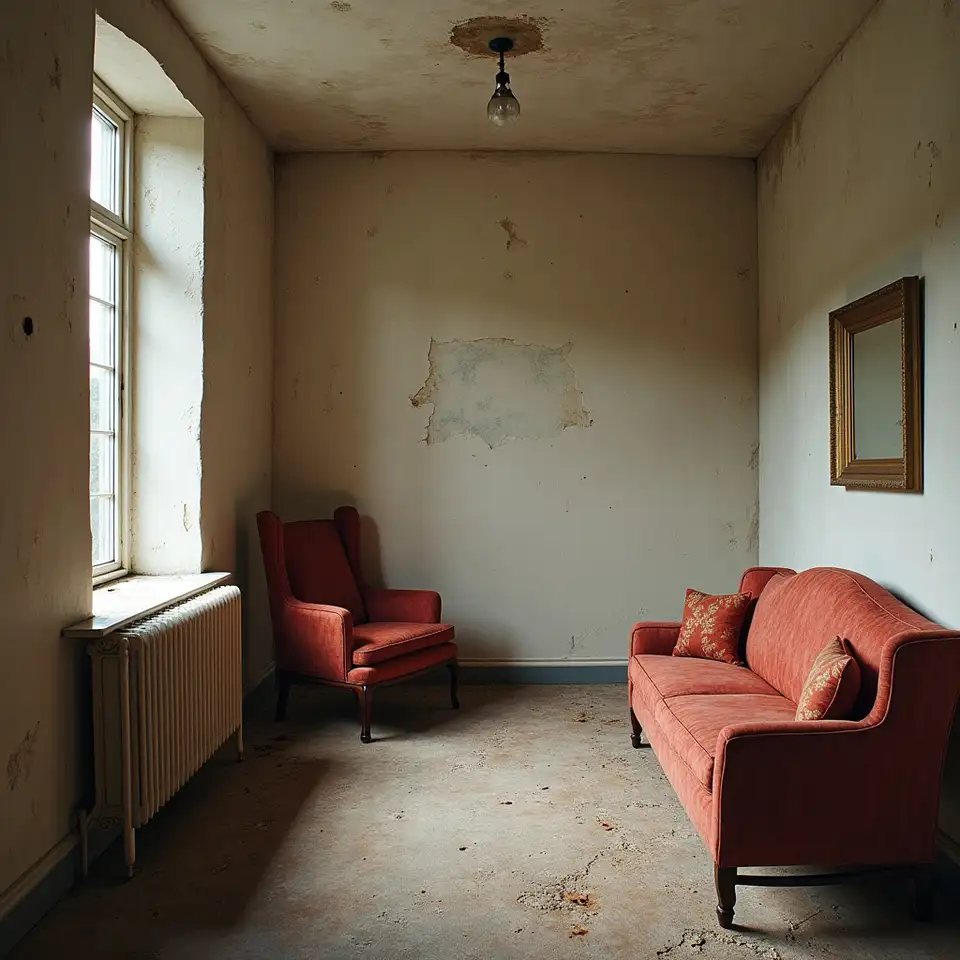




Six reasons condition assessment belongs at the centre of your property search process
See what the listing deliberately does not show you
Listings are marketing documents. They present a property at its best and omit what is inconvenient. A structured condition assessment — combining a professional survey with a systematic viewing checklist — surfaces the information a listing was not designed to give you. That is not cynicism; it is the standard approach of any informed buyer.
Turn survey findings into a negotiation tool rather than a source of anxiety
A survey report with significant findings is not a reason to panic. It is a document that quantifies the gap between the property's asking price and its actual condition. Used correctly, it gives you a factual basis for a price discussion with the vendor. We help you understand which findings carry financial weight and how to use them effectively in that conversation.
Avoid the costs of discovering condition issues after you have closed
The timing of a condition discovery matters enormously. Found before closing, a significant issue gives you options — renegotiate, request remediation, or walk away. Found six months after you have moved in, the same issue is entirely your financial responsibility. Our process is designed to surface material issues at the point where you still have choices available to you.
Make a commitment you can articulate clearly and defend under scrutiny
A well-documented condition assessment means your offer is not just a number — it is a position with a rationale. You know what you are buying, what it will cost to maintain, and where the gaps are between asking price and assessed condition. That clarity is what separates a confident purchase decision from one that generates anxiety for months after closing. Results may vary depending on individual circumstances.
Assess With Confidence

Start with a checklist
Before you commission a survey, apply a structured viewing checklist to every property you consider. Visible indicators — roof condition from the street, damp signs around windows and skirting boards, the age and type of heating controls — tell you whether a property warrants the investment of a full structural survey. Not every viewing should proceed to survey stage, and a checklist helps you make that call efficiently.
Commission the right survey
Ireland's survey options range from a basic mortgage valuation to a full structural survey. A mortgage valuation protects the lender, not you. For most residential properties, a full structural survey by a chartered surveyor is the appropriate choice. We help you understand what each survey type covers, what questions to put to your surveyor before they attend, and how to interpret the report when it arrives.

Quantify the findings
A survey report that lists issues without cost context is only partially useful. Each material finding should translate into an approximate remediation cost so you can assess the gap between asking price and actual condition in financial terms. We help you build that cost picture using the survey findings and your knowledge of the property's age and construction type, giving you a number you can work with in negotiations.
Close with clarity
The final step before making an offer is a complete condition summary — what you know, what it will cost to address, and how that affects the price you are prepared to pay. That summary is the output of our assessment process, and it is what turns a gut-feel offer into a considered, defensible position. You should be able to explain your offer clearly. If you cannot, the assessment is not finished yet.